
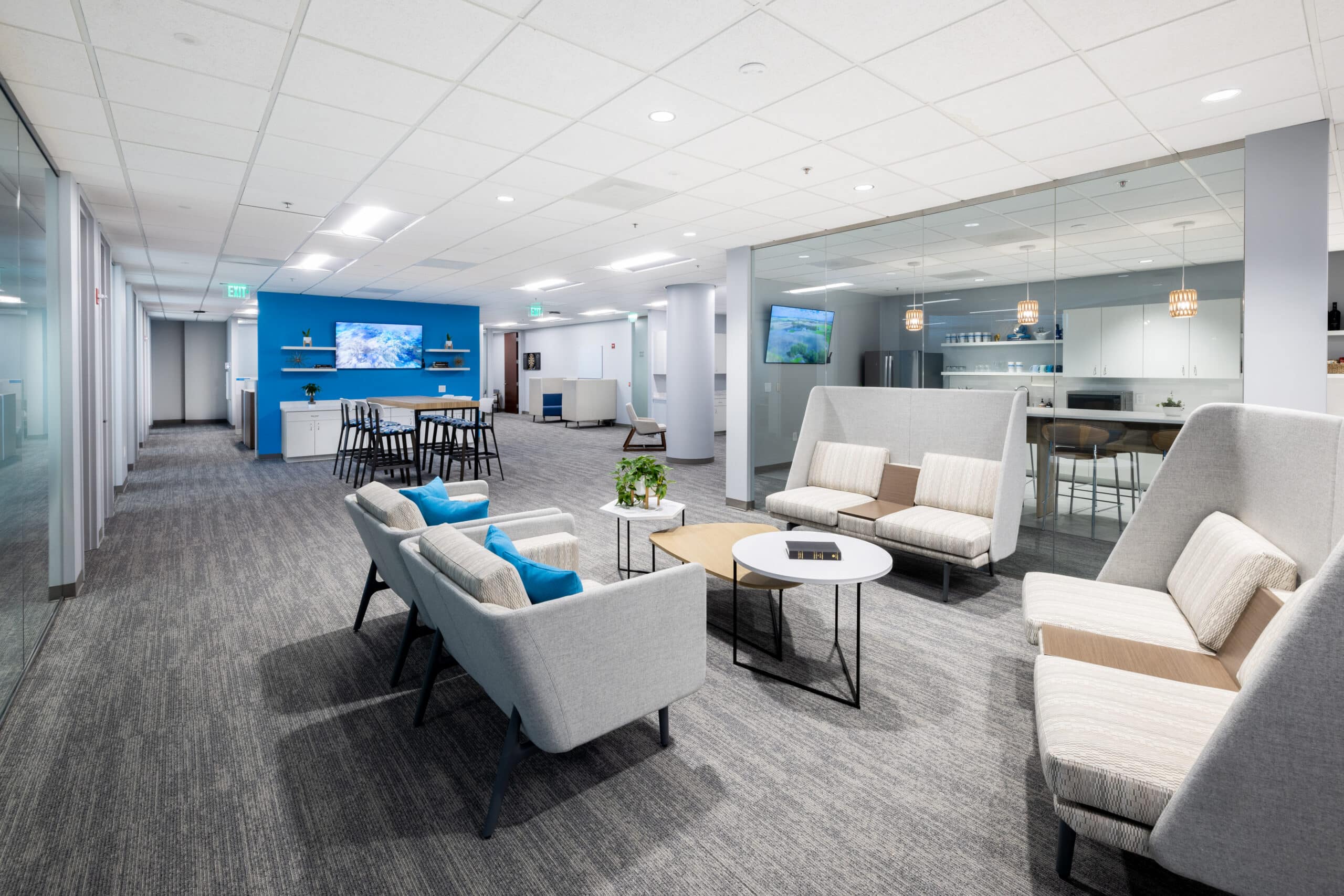
Workplace needs shift quickly. For instance, a company might expand a department in six months, transition to a hybrid schedule suddenly, or pivot to project-based teamwork overnight. When physical layouts stay locked in place, handling these shifts usually means loud construction, messy drywall dust, and massive invoices, but designing a space for long-term versatility changes that story entirely. By focusing on smart, adjustable choices from day one, an office can adapt effortlessly alongside the business.
Reconfigurable Furniture and Dynamic Floor Plans
Static desks bolted to the floor hugely limit how teams can work. Swapping heavy, permanent furniture for modular pieces gives employees complete freedom to adjust their environment on the fly. Rolling desks, nestable chairs, and lightweight storage units allow a room to transform from a quiet focus zone into a collaborative workshop at a moment’s notice.
This kind of easy versatility also makes turnkey spec suites a lot more appealing to incoming tenants. When a space flexes effortlessly, companies can settle in and get straight to work without waiting around for build-outs or contractor quotes.
Movable Meeting Spaces and Demountable Walls
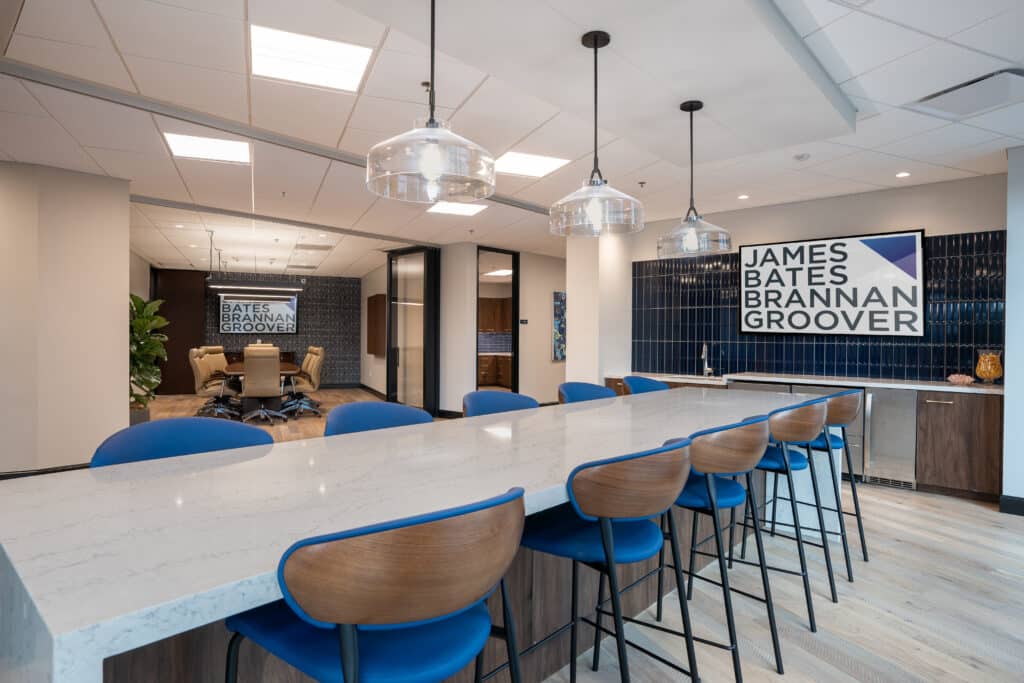
Building permanent walls for every conference room locks a floor plan into a rigid footprint, and tearing down sheetrock just to resize a meeting area creates unnecessary noise and expense. Freestanding acoustic pods and demountable wall systems offer a clean alternative. These modular setups assemble quickly, giving teams quiet spots for phone calls or private huddles without permanent structural changes.
If you ever need to reshape the office down the road, demountable glass partitions easily unclip from their tracks and move exactly where you need them. You get solid sound control, reliable privacy in the workplace, and plenty of natural light, all while keeping the floor plan ready for whatever comes next.
Universal Power Distribution and Scalable Infrastructure
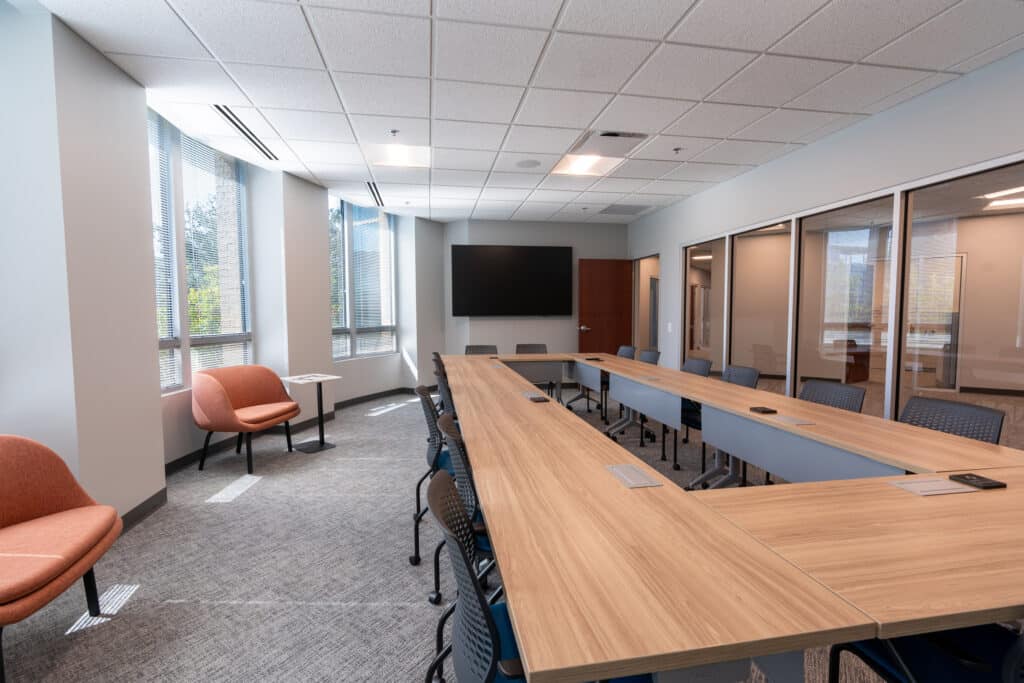
Moving desks around is simple enough until you run out of outlets. Traditional electrical setups lock your layout to perimeter walls or rigid floor boxes, which often leads to extension cords snaking across walkways or teams stuck in awkward arrangements. Setting up a universal power distribution system solves this by bringing electricity and data directly to wherever you decide to work.
- Raised access flooring: Modular power tracks sit neatly beneath removable floor tiles. When you want to move a desk pod to the center of the room, you just lift a tile, reposition the floor box, and plug right in.
- Overhead tracks and drop cords: Ceiling-mounted busways route power straight down from above. This keeps cables off the ground, eliminates tripping hazards, and lets mobile tables roll freely.
- Modular plug-and-play cabling: Pre-wired cable systems allow you to connect new workstation clusters or modern tech integrations instantly, avoiding the hassle of hardwiring desks into the wall.
This kind of infrastructure keeps your physical setup truly mobile. Instead of forcing your team to work around where the plugs happen to be, your power grid follows your layout.
The Long-Term Financial Benefits of Adaptable Workspaces
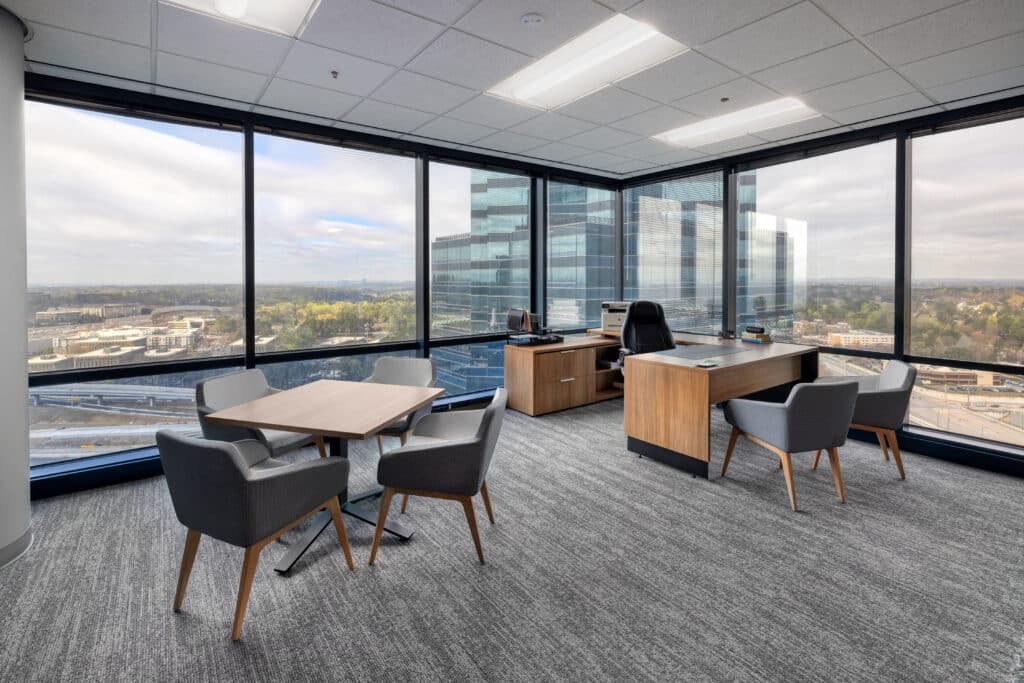
Traditional office updates drain budgets fast. Every time team structures change, knocking down walls and rerouting hardwired electrical lines requires permits, contractors, and significant capital expenditure. Investing in adaptable interior components shifts those recurring construction costs into a single upfront decision, protecting your budget for years to come.
Beyond direct building expenses, major renovations disrupt work routines. Loud noise, drywall dust, and safety hazards often force companies to send everyone home or pay for temporary workspace while crews take over the floor. Modular walls and flexible furniture eliminate that headache entirely, letting you reconfigure a room over a weekend without displacing staff or losing productivity.
Reusable assets also hold onto their value far longer than custom millwork or fixed sheetrock. Demountable partitions, mobile workstations, and modular flooring can be reassembled or even moved to a new building if your business relocates, turning physical design elements into lasting assets rather than sunk costs.
Create a Versatile Office Environment
A workspace should easily keep pace with a growing business. Prioritizing modular furniture, demountable walls, and flexible power systems from the start ensures your office evolves right along with your team without the expense of ongoing construction.
At Planning Interiors, we design functional, beautiful commercial spaces that easily adapt over time. Reach out to our team today to start planning a dynamic office layout that supports your business for the long haul!