
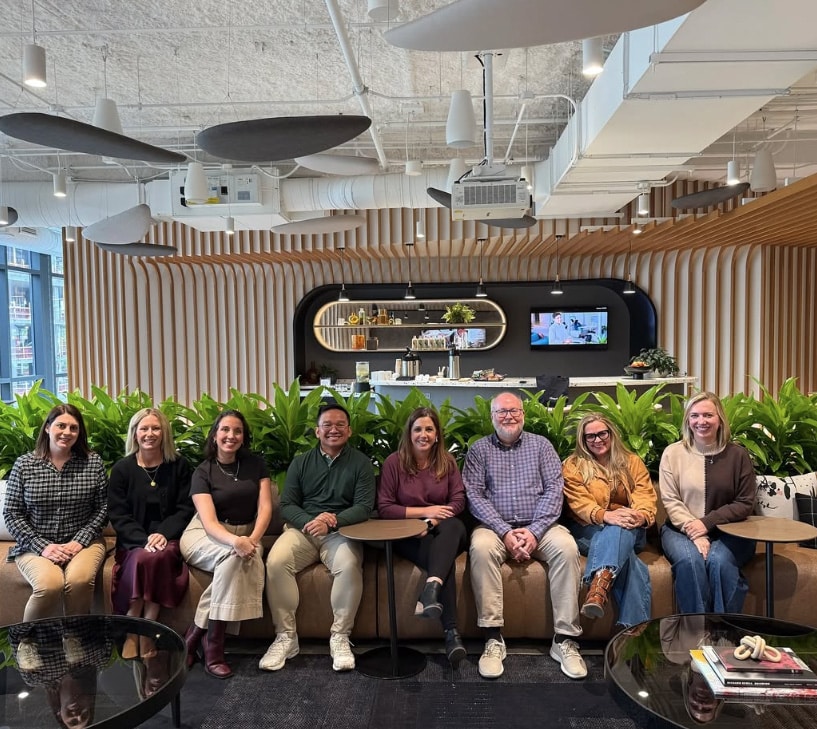
Starting a commercial renovation or moving into a new office involves many moving parts and a large team of professionals. It is easy to feel overwhelmed by titles, especially when responsibilities seem to overlap. Clearly defining these roles from the outset helps you identify exactly who to contact for questions regarding budgets, permits, or finishes. When every partner operates in a designated lane, the project moves efficiently and minimizes the potential for costly miscommunications.
Procurement and Installation
The furniture dealer acts as the logistics expert for the items that populate your workspace. Their work begins once the floor plan is finalized, and it is time to source the Furniture, Fixtures, and Equipment (FF&E). A commercial dealer handles the complexities of order management, tracking shipping dates from multiple manufacturers to ensure that your workstations and seating arrive only when the job site is ready for them.
During the final phase of the project, the dealer manages the installation crews who assemble the furniture and place it according to the design plan. This process requires significant technical coordination, as AI-driven tools now assist in space planning and FF&E selection to predict lead times and identify the most effective products for a specific budget.
Executing the Build and Site Logistics

The general contractor (GC) serves as the project’s engine, transforming a set of blueprints into a reality. While other partners focus on the vision and the finishing touches, the GC manages the heavy lifting of the construction process. Their primary responsibility lies in construction management—balancing the project budget, maintaining the master schedule, and overseeing a team of subcontractors, from electricians and plumbers to carpet installers.
Managing the bureaucracy of a build also falls to the contractor. They handle the permitting process with local municipalities and monitor the site to make sure it meets all safety and building regulations during the construction phases. By keeping a constant eye on the timeline, a skilled GC prevents delays in one trade from pushing back the entire move-in date. They are the practical problem-solvers who verify the structure is ready for the furniture and the employees who will eventually occupy it.
Securing the Building Envelope and Life Safety
The architect focuses on the shell of the project and the fundamental integrity of the building. Their work centers on the building envelope and structural requirements, keeping the space safe, accessible, and compliant with all local codes. This role is highly regulated; architects are responsible for providing the stamped drawings necessary to secure building permits and pass official inspections.
In a commercial project, the architect looks at how the building functions as a whole. This includes safety features like fire exits, structural load-bearing walls, and the mechanical systems that keep the environment tenantable. While they often collaborate with the rest of the team on the overall layout, their primary focus remains on the technical and legal requirements that keep the structure standing and the occupants protected.
Refining the Human Experience and Brand Integration

Interior designers translate a company’s culture and workflow into a functional environment. They utilize detailed space planning to create a layout that supports how employees actually move and work throughout the day. When selecting colors, fabrics, and finishes, designers vet every material for commercial-grade durability and brand alignment, moving past simple aesthetics to focus on long-term performance.
A significant part of the designer’s job involves high-level coordination between the client, the architect, and the contractor. They act as the glue for the project, verifying that the technical drawings match the aesthetic vision and that the chosen materials are compatible with the construction schedule. This oversight helps avoid common design mistakes in commercial interiors, such as choosing finishes that look great in a sample book but fail to meet slip-resistance codes or acoustic requirements once installed.
Fostering Collaboration Across the Project Team
Successful projects rely on the smooth overlap of these four disciplines. When the architect, general contractor, furniture dealer, and interior designer work in sync, they create a unified ecosystem where information flows freely. This open coordination prevents the friction that typically occurs during the “handshake” moments—such as when the contractor readies the site just in time for the dealer’s installation team, or when the designer’s material choices align perfectly with the architect’s plans.
Starting a project with a team that understands these boundaries protects your budget and helps every deadline stay on track. When each professional excels in their specific lane while maintaining a view of the finish line, the result is a workspace that is both technically sound and expertly tailored to your team’s needs.
If you are ready to start your next commercial project with a team that prioritizes clear communication and integrated design, contact Planning Interiors today to schedule a consultation.