It’s a fact: sitting for prolonged periods can take a major toll on your body and focus. As our professional lives have become more geared towards technology and desk work, physical health has taken a backseat. Back pain and a general lack of energy are just some of the consequences that come with the sedentary nature of modern work culture, and these consequences can pose significant challenges for businesses.
However, these challenges also present a unique opportunity. Forward-thinking businesses are realizing that the design of their physical space can be a powerful tool for change, and that it’s a key trend to watch in the industry. At the end of the day, encouraging movement and activity in the workplace is a strategic investment in your greatest asset: your people.
The Sedentary Office Problem
The traditional office, with its rigid rows of desks and chairs, was designed for a different era of work. Today, we understand the significant health risks associated with prolonged sitting, from musculoskeletal issues to a higher risk of chronic disease. This sedentary lifestyle can greatly affect individual health, lead to decreased energy, reduced focus, and an overall lack of engagement. For businesses, this can translate to lower productivity, higher absenteeism, and other tangible costs.
The Case for an Active Workspace
We believe the office of the future is a place that champions well-being, and that all starts with movement. An active workspace moves past old, traditional models, becoming a dynamic place that supports both physical and mental health. By making the right design choices, you can give your team a natural energy boost, improve collaboration, and build a more uplifting company culture, all of which ultimately drives productivity.
Practical Strategies for an Active Office
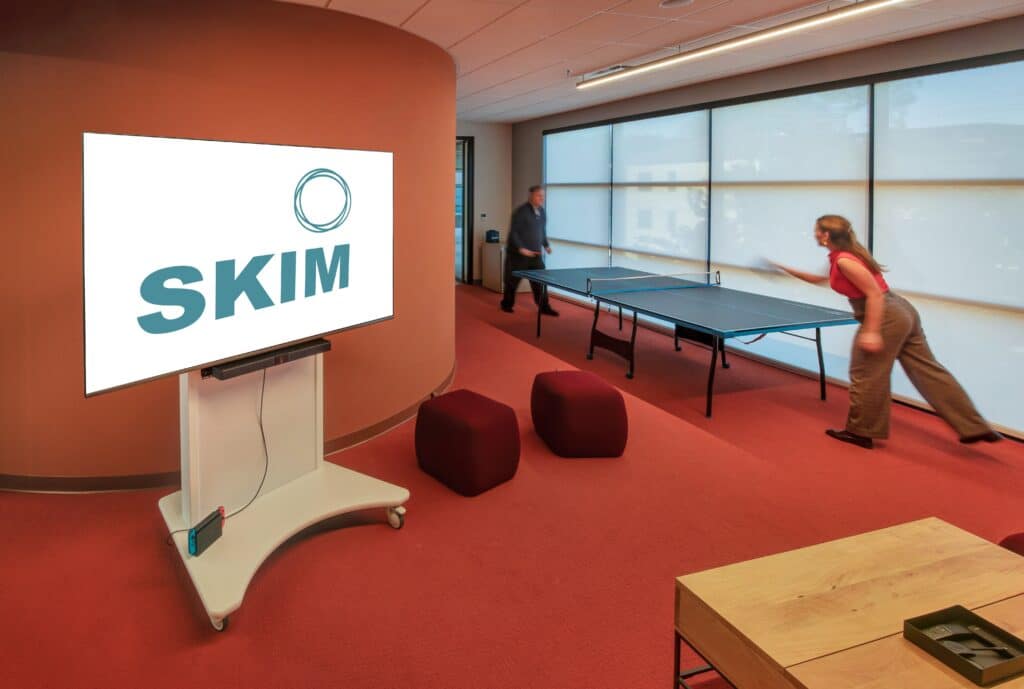
Thoughtful design can nudge people to move more naturally throughout their day. It’s about creating a subtle flow that makes physical activity a regular part of the work routine.
- Encouraging the Use of Stairs: Simple design choices can make a big difference. Placing staircases in a prominent, visually appealing location, perhaps with a view or creative art, can make them a more inviting alternative to the elevator.
- Centralized Shared Resources: Thoughtfully placing printers, recycling bins, and coffee stations at a central location, instead of within arm’s reach of every desk, encourages quick walks and breaks.
- Defining “Active Zones”: Creating specific areas designed for movement, collaboration, or quiet focus, away from the primary workstation, will prompt employees to move and shift their focus throughout the day.
Beyond the Desk: Furniture and Tools
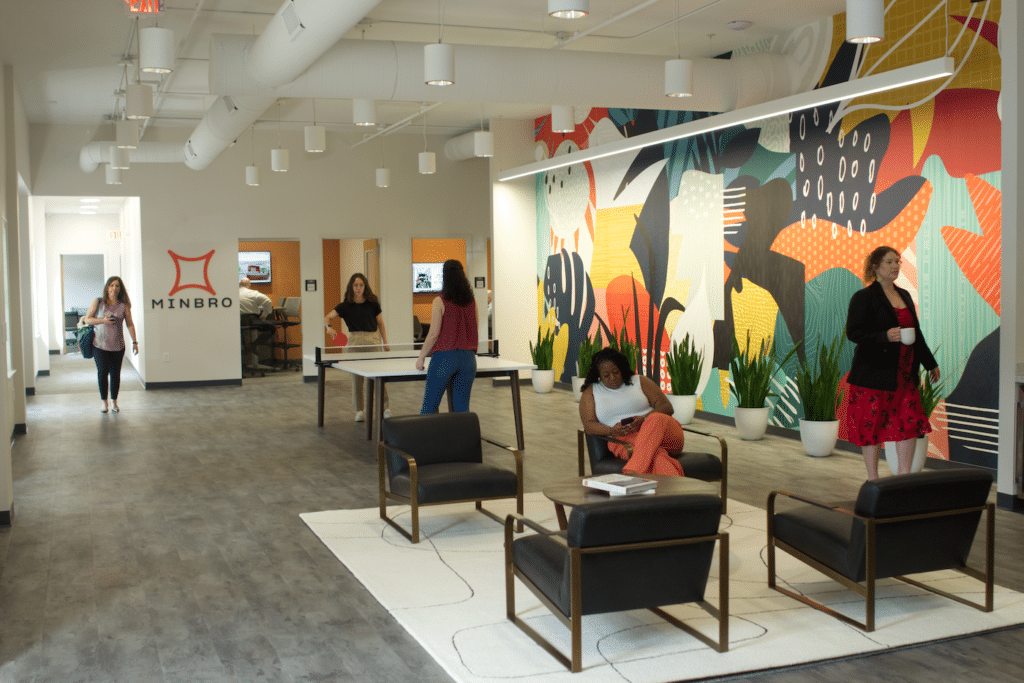
The furniture in your workplace can also be used to promote a more active company culture. Many modern office spaces have evolved beyond the traditional desk and chair, offering a wide array of ways to keep your body moving.
- Embracing Sit-Stand Workstations: Offering sit-stand desks provides employees with the flexibility to easily change their posture throughout the day. This simple choice can reduce back pain, improve circulation, and improve energy levels.
- Flexible Seating and Alternative Work Surfaces: Go beyond the standard ergonomic chair! Incorporate a variety of seating options like lounge chairs, high-top tables, and exercise balls to give people choices that suit their needs and help create a more inclusive work environment.
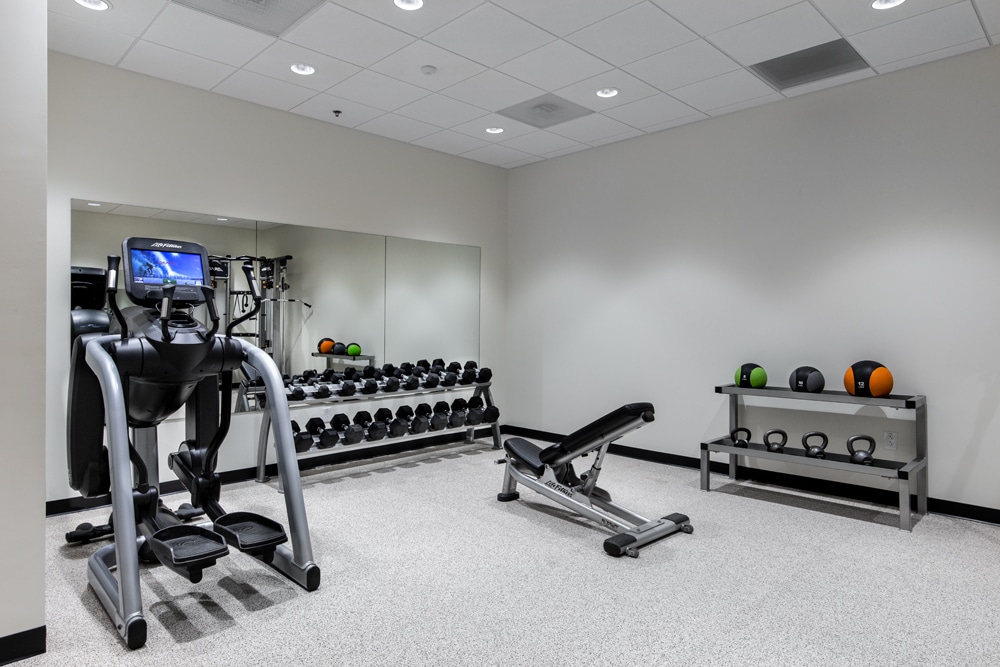
- Integrating Fitness Tools: Providing access to basic fitness equipment makes it easy for employees to fit short bursts of activity into their day. Think about adding a small space with resistance bands, light dumbbells, or yoga mats.
Creating Spaces for Connection and Activity
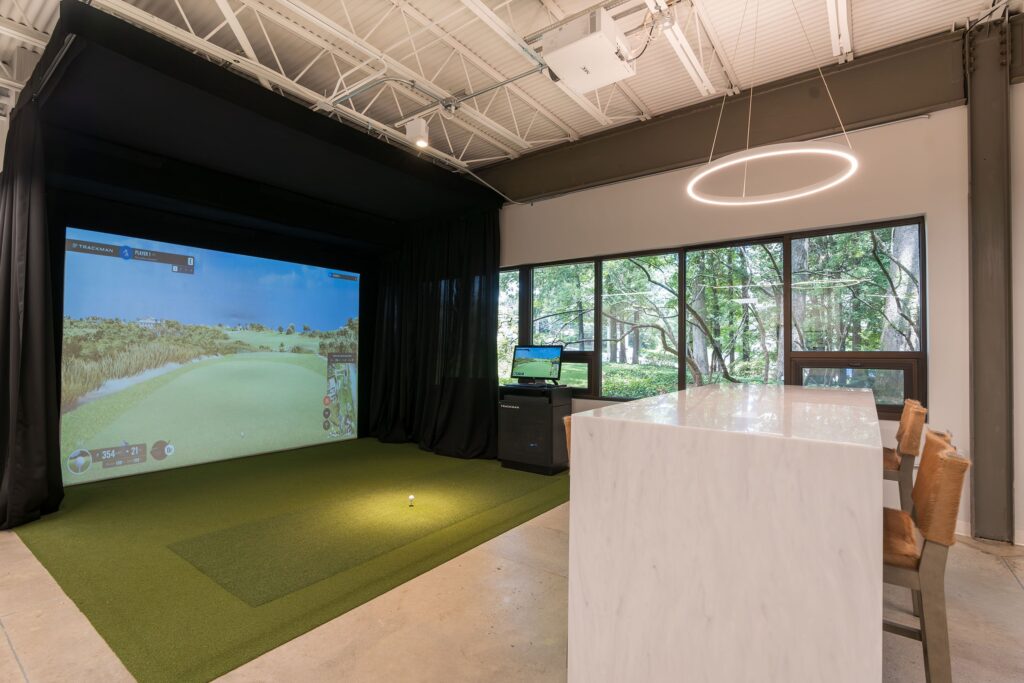
Designing for movement is also about designing for connection. By creating spaces that bring people together, you naturally encourage them to get up and interact with one another.
- Dedicated Wellness and Fitness Areas: A dedicated space for yoga, stretching, or light workouts signals a company’s commitment to well-being. It provides a convenient and private space for employees to disconnect so they can then return to work feeling refreshed.
- Multi-Purpose Community Hubs: Consider creating vibrant, open-concept spaces that can be used for impromptu meetings, social gatherings, or a casual lunch. When these hubs are located away from work areas, they become destinations that pull people away from their desks.
- Bike Storage and Community Amenities: Offering secure bike storage and lockers makes it easier for employees to choose active commuting options, extending the benefits of movement beyond the workday.
Why Movement Matters for Your Business
When you invest in a dynamic workspace, you’re investing in your team’s well-being and, ultimately, your business’s success. An office that encourages movement leads to more engaged employees, stronger collaboration, and a resilient company culture. For businesses in the Atlanta area, the team at Planning Interiors is ready to partner with you to design a space that moves your business forward for years to come. Contact us today, and let’s get to work on a space that promotes health and productivity.