
The modern healthcare office has a monumental task: it needs to be an efficient machine for staff, a comforting haven for patients, and a highly durable, easily-maintained space. All of this must be achieved without the cold, sterile aesthetic of the past—you know, the one that makes you tense up the second you walk through the door.
At Planning Interiors, sophisticated design is the remedy. We believe high-performance functionality shouldn’t mean low-comfort design. Let’s delve into creating a medical office that feels both welcoming and professional, proving that the future of healthcare spaces is bright, warm, and practical.
Warm Colors and Light Emit Hospitality
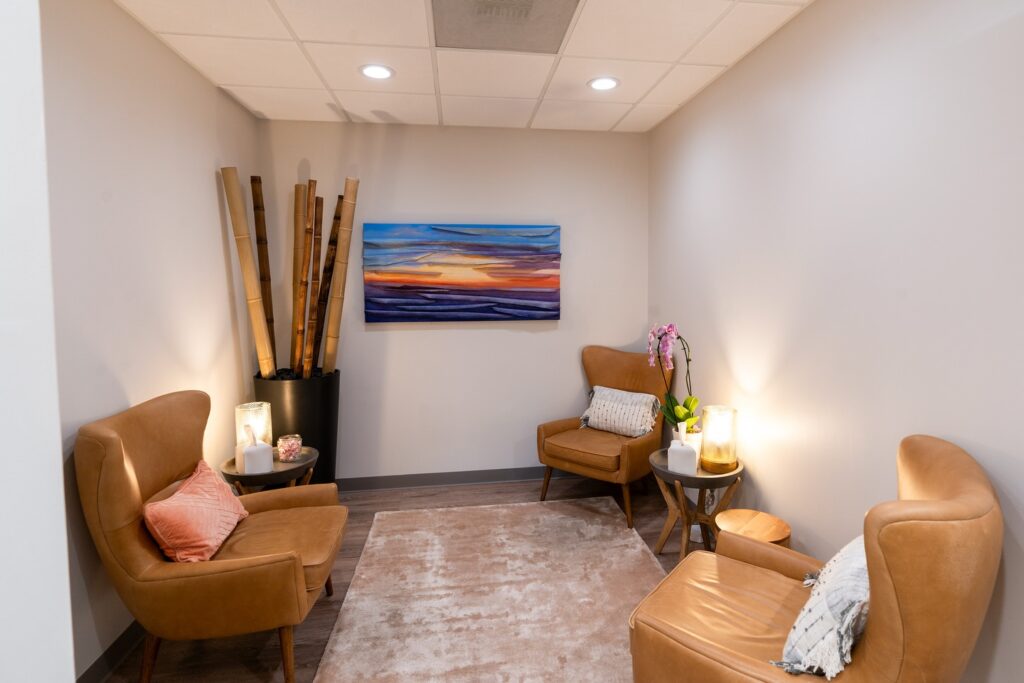
For many, a trip to the doctor comes with a dose of anxiety. Your design choices can be the first step in easing that tension. We are moving away from fluorescent lights and stark white walls and embracing the aesthetics of the hospitality sector.
Warm palettes with finishes like wood-look Luxury Vinyl Tile (LVT) and soft, matte finishes bring an inviting, human touch to the space. LVT provides the durability needed for high traffic, but its natural visual texture instantly upgrades the atmosphere from sterile to soothing.
Using warm, thoughtfully placed lighting for wellness to avoid clinical glare, rather than stark white lights, does wonders for your atmosphere. It controls the mood of the space and is a subtle yet powerful tool for reducing stress. Understanding how the proper use of color can transform your commercial space is key to achieving a serene healthcare environment.
Patient Comfort is Paramount
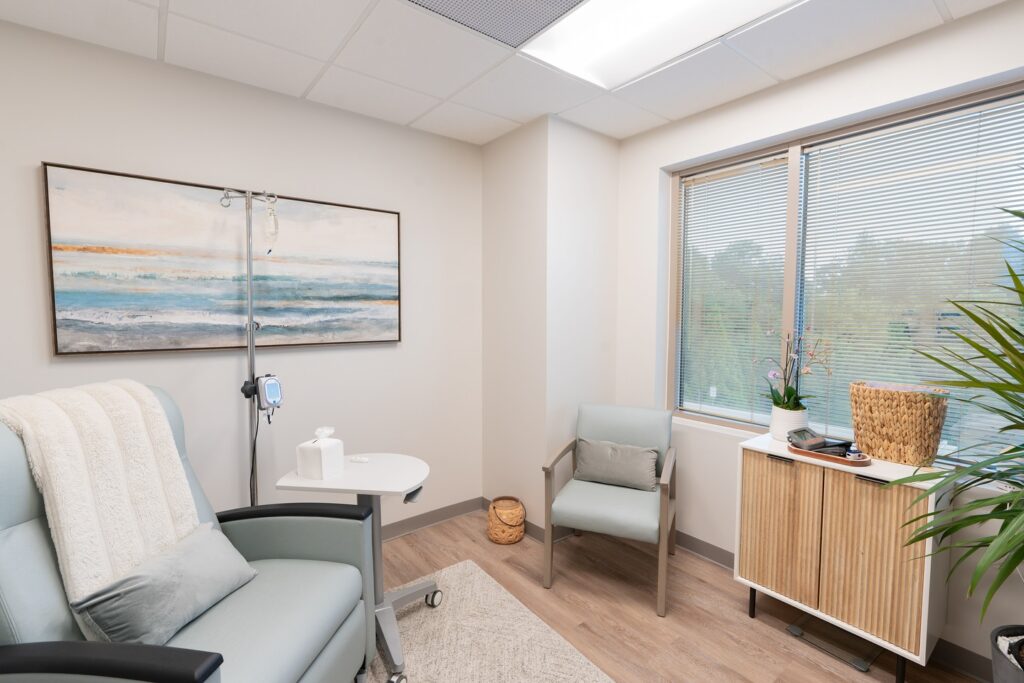
While beautiful finishes draw the eye, true patient comfort is about minimizing stress and making the visit feel effortless. Beyond seating choices, comfort involves designing a thoughtful, seamless journey through the space.
This means designing for smooth wayfinding. This means using clear signage, intuitive pathways, and design elements to guide visitors naturally. No one needs the added stress of feeling lost while navigating a facility!
Furthermore, nothing disrupts a moment of calm like uncontrolled noise. Prioritizing acoustically controlled waiting areas and exam rooms to minimize sound transmission, respect privacy, and reduce ambient stress can greatly reduce the anxiety that naturally comes with being in a healthcare space.
Creating Efficient Staff Flow
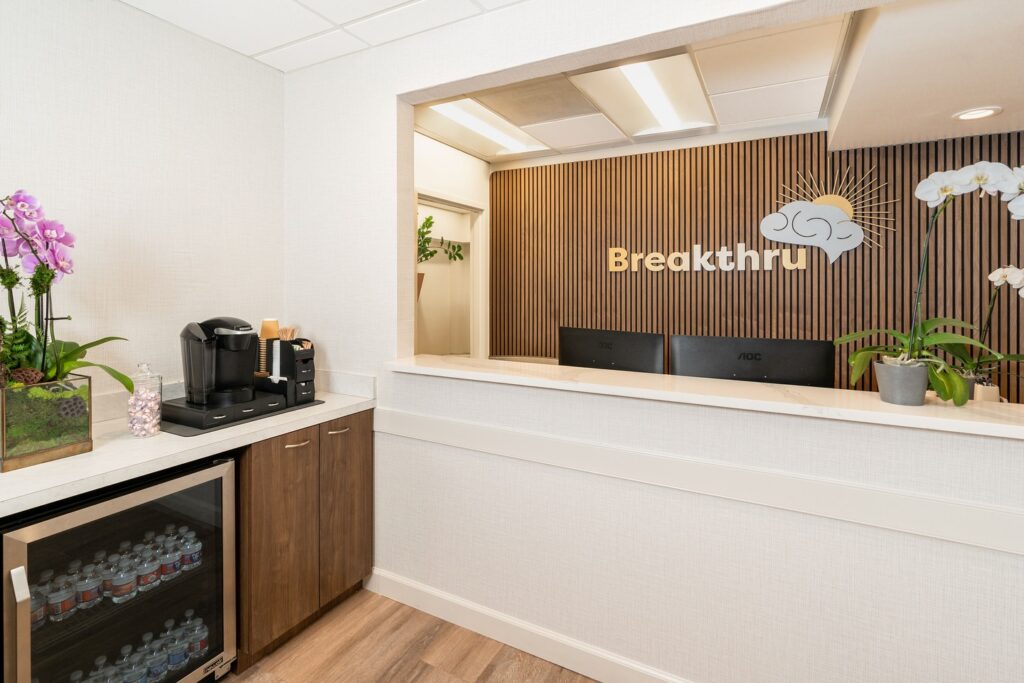
While the front-of-house design focuses on the patient experience, the back-of-house must be a model of efficiency for the staff. Time is perhaps the most critical commodity in a medical office, and a poor layout can lead to unnecessary friction.
Creating efficient staff flow through strategic adjacencies makes a world of difference. This means locating key areas right where they are needed most: labs near exam rooms, supply closets near nurses’ stations, and ensuring administrative staff have quick, private access to consultation areas. Every minute saved by eliminating unnecessary steps allows nurses and doctors to spend more focused time on patient care. A seamless workflow for the team translates directly into better, faster service, which is a principle we apply across all sectors when considering how to design business spaces depending on your industry.
Cleanability Without Sterility
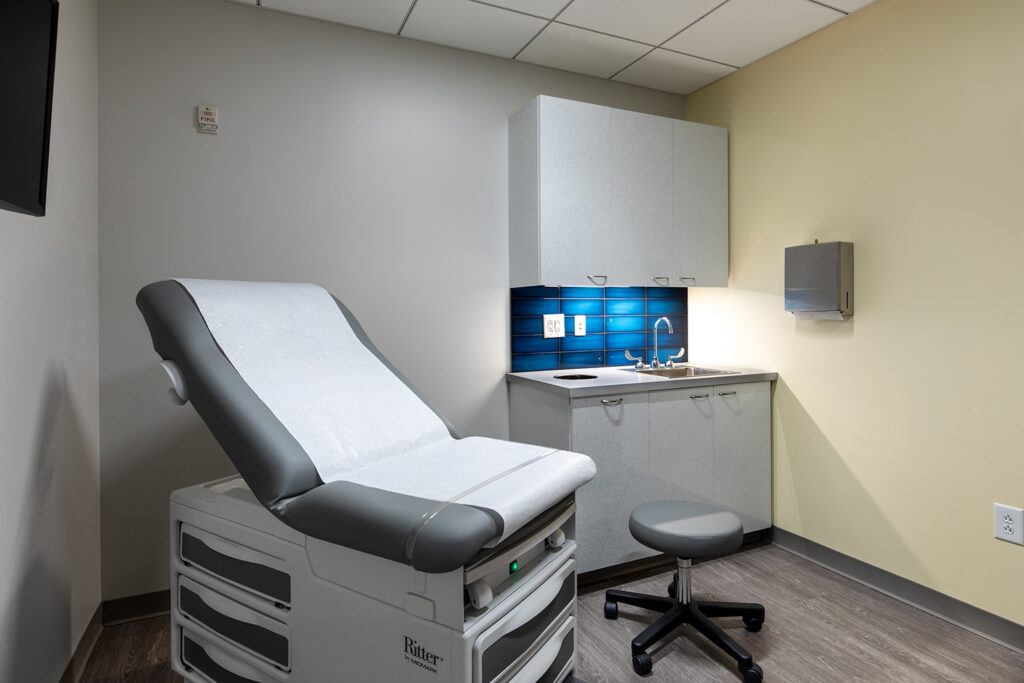
While critical surgical spaces require full sterilization, most administrative and patient-facing areas do not. However, they must meet exceptionally high standards for cleanliness and disinfection.
A high level of cleanability without sterility is achieved by specifying which materials are designed to endure the demands of daily healthcare life. This means selecting healthcare-grade coatings for walls and millwork (which resist harsh chemical disinfectants without breaking down) and high-performance fabrics for seating. These materials are non-porous, highly durable, and designed to withstand frequent, rigorous cleaning, ensuring a highly hygienic environment without ever looking or feeling worn out.
Regulatory Compliance
Designing in the healthcare sector means working within strict boundaries, and non-compliance is simply not an option. Every design choice must meet necessary codes and standards from the start to avoid costly redesigns down the road.
This includes essential considerations like full ADA compliance for accessibility (ensuring ramps, clearances, and restroom dimensions meet federal requirements), the technical requirements for specialized areas like negative pressure rooms (critical for isolation and safety), and crucial privacy considerations for HIPAA. Privacy often translates directly to architectural planning, requiring careful attention to soundproofing and layout to protect confidential conversations and patient dignity.
The Perfect Balance of Performance and Comfort
The most successful healthcare office designs blend the efficiency of a high-performance machine with the comfort of a welcoming, stress-reducing environment. It’s about creating a space that serves every person who steps through the door—from the busy physician to the anxious patient.
By thoughtfully focusing on warm aesthetics, intuitive flow, durable materials, and absolute compliance, we can help you move beyond the clinical look and into a new era of healthcare design.
No need to choose between form and function! At Planning Interiors, we have the specialized knowledge to deliver high-performance functionality, seamless staff flow, and the comforting hospitality aesthetic your patients deserve. Contact Planning Interiors today to start designing your comforting, high-performance healthcare office.